The European regulation on packaging and packaging waste — PPWR (Packaging and Packaging Waste Regulation) — will become fully applicable on 12 August 2026. As nearly 60% of Moroccan exports are destined for the European Union, this text directly affects any company that ships a packaged product to Europe.
Key Changes under the PPWR
- Mandatory recyclability: All packaging must be designed for recycling, according to 'design for recycling' criteria.
- Minimising empty space: Oversized packaging (with an excessive empty space ratio) will be penalised.
- Minimum recycled content for certain types of packaging.
- Harmonised labelling for sorting and composition, which must be consumer-readable.
- Restricted substances of concern in contact materials.
Why cardboard has a head start
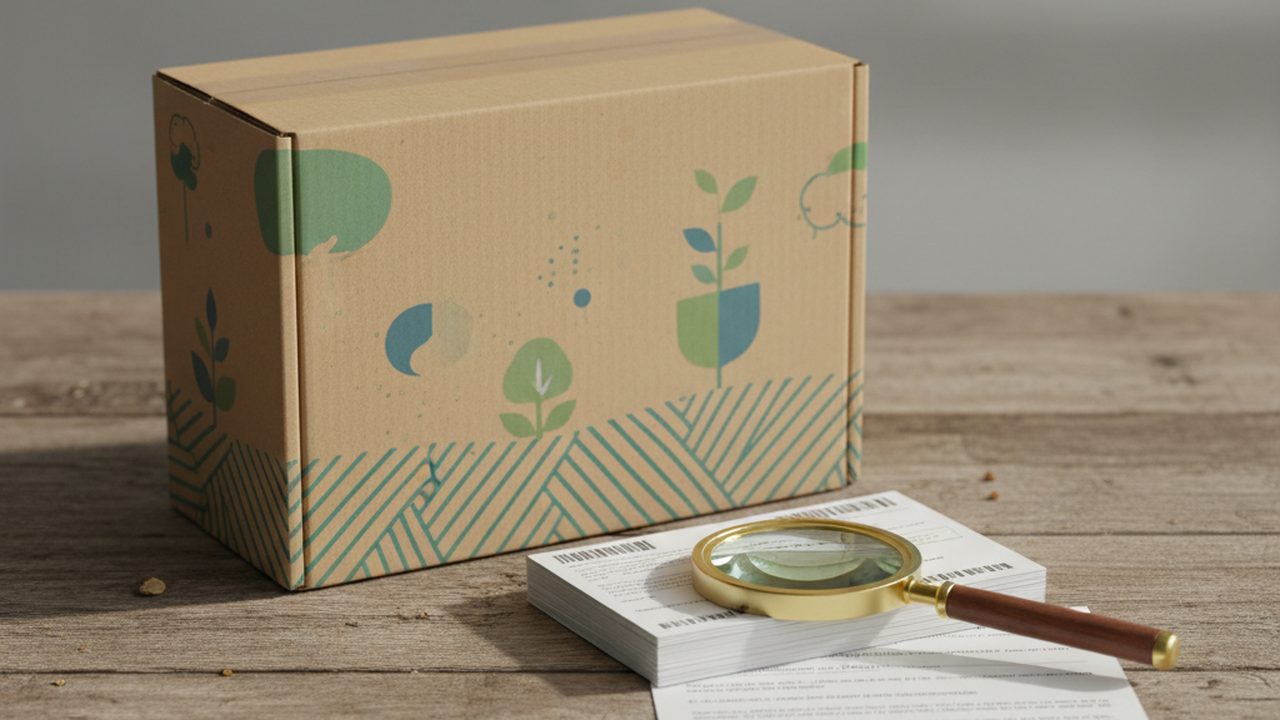
Cardboard and paper are naturally recyclable and benefit from a mature collection system in Europe. This is provided that pitfalls are avoided: non-separable plastic laminations, problematic inks and varnishes, and glues that hinder recycling. A well-designed carton — made from a fibrous mono-material, with a recyclable varnish and glue-free assembly — ticks almost all the PPWR boxes.
Key considerations for printing
- Opt for a recyclable varnish or lamination over a conventional plastic lamination.
- Choose inks that are compatible with recycling and food contact (depending on the application).
- Limit the use of composite materials that are difficult to separate.
- Document the material composition for your clients and for customs authorities.
A constraint, but also an opportunity
Moroccan manufacturers who adapt their packaging now can turn a regulatory requirement into a commercial advantage when dealing with European buyers. Printivo can help you audit your current packaging and transition to PPWR-compliant designs, without sacrificing visual impact.