'Eco-friendly' without proof is just greenwashing. Buyers—especially major European retailers—now demand certifications and documented material composition. Here's how to design sustainable packaging that goes beyond mere talk.
Understanding FSC Certification
The Forest Stewardship Council (FSC) guarantees that the fibre comes from sustainably managed forests. Three labels are commonly found on packaging:
- FSC 100%: Fibre sourced entirely from certified forests.
- FSC Mix: A mix of certified, recycled, and controlled fibre.
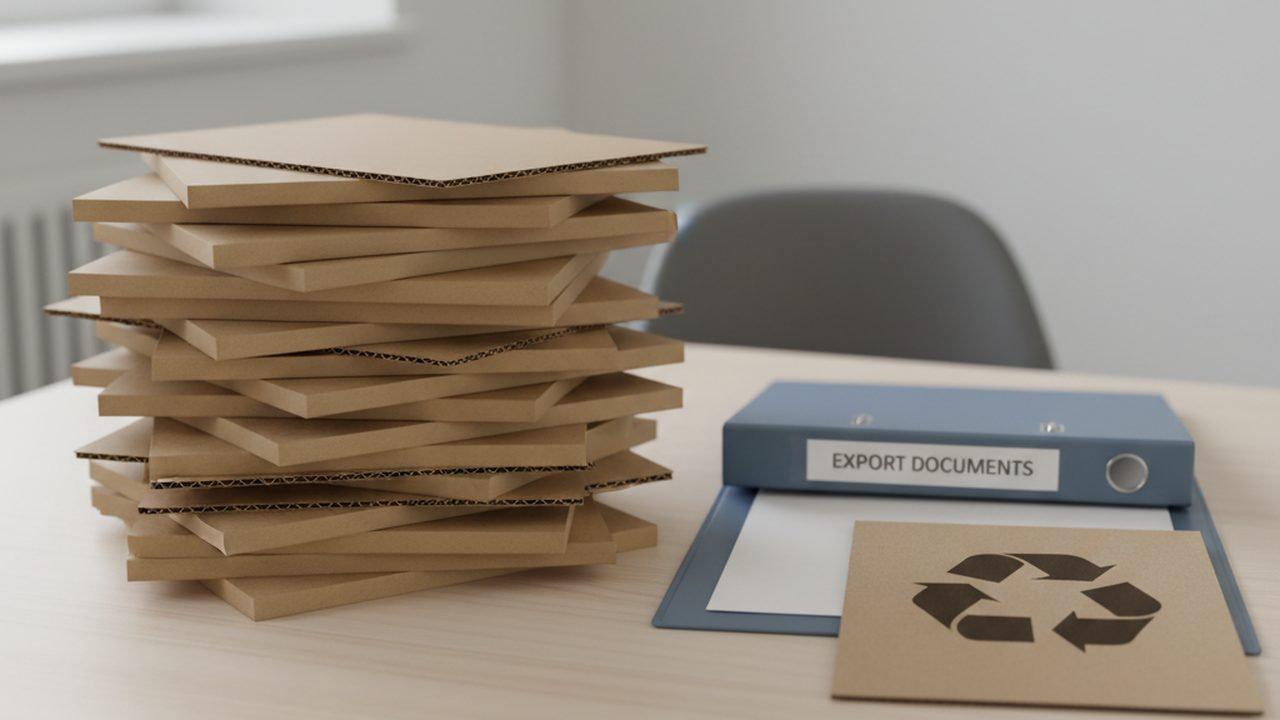
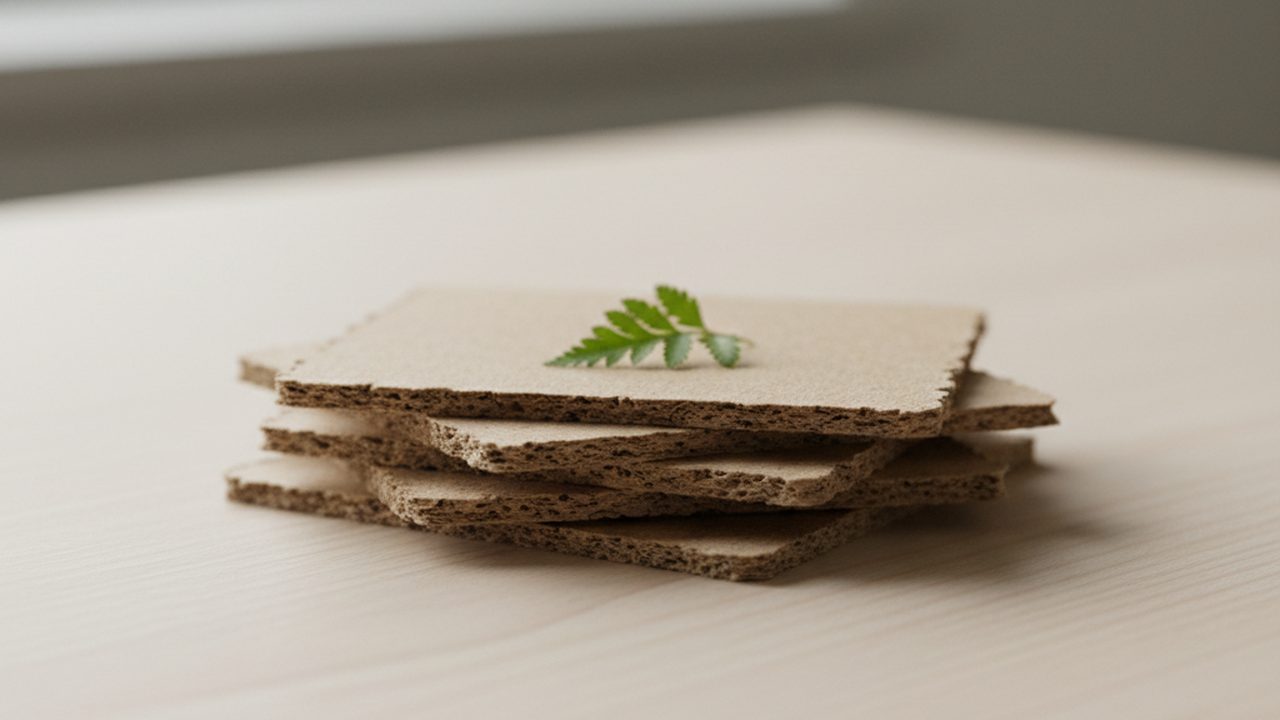
- FSC Recycled: 100% post-consumer recycled material—no new trees.
Kraft and Recycled Fibre: Sturdy and Credible
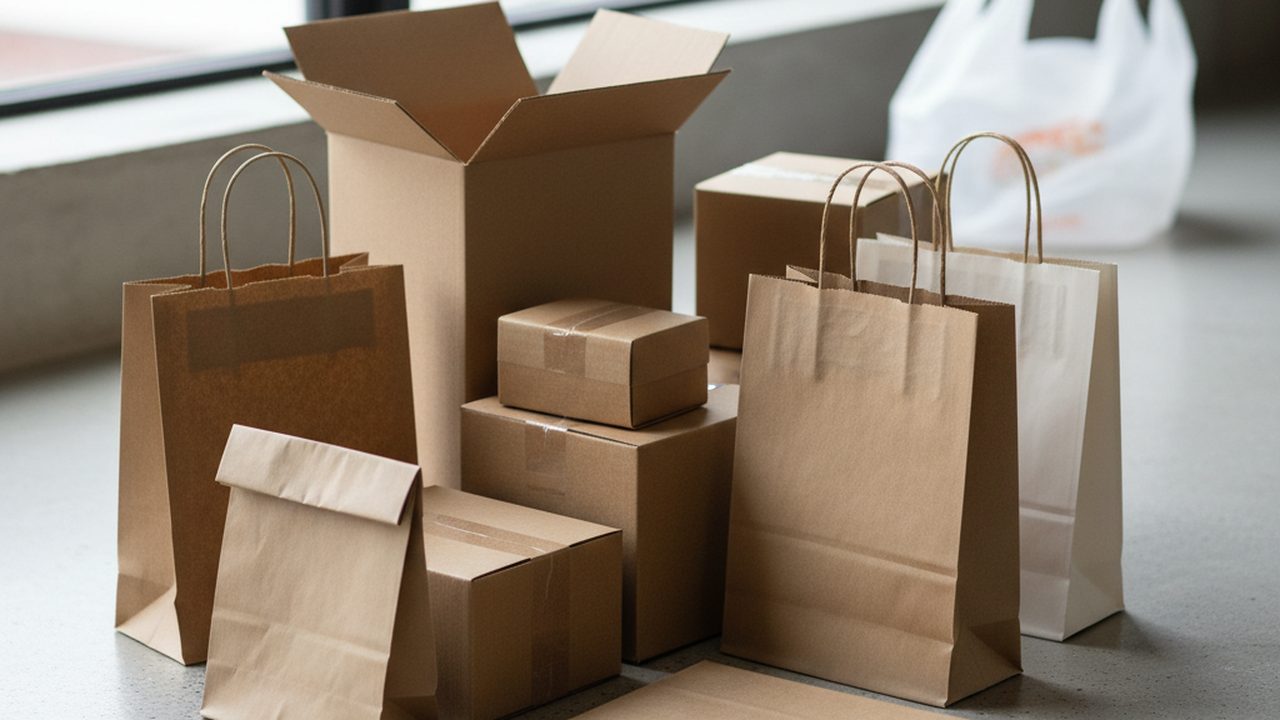
Kraft paper is valued for its tear resistance and natural appearance, which immediately conveys sustainability. Combined with recycled fibre, it offers an excellent balance of brand image, environmental consciousness, and cost—perfect for retail, food, and brands committed to a responsible positioning.
Beyond the Board: Inks, Varnishes, and Assembly
Recyclable board that has been plastic-laminated is no longer recyclable. For a consistent approach:
- Replace plastic lamination with a varnish or a recyclable lamination.
- Choose inks that are suitable for recycling and, for food contact, are compliant with regulations.
- Design a glueless assembly or use recycling-compatible glue where possible.
- Optimise dimensions to reduce material use and the void fill ratio.
Documentation Sells
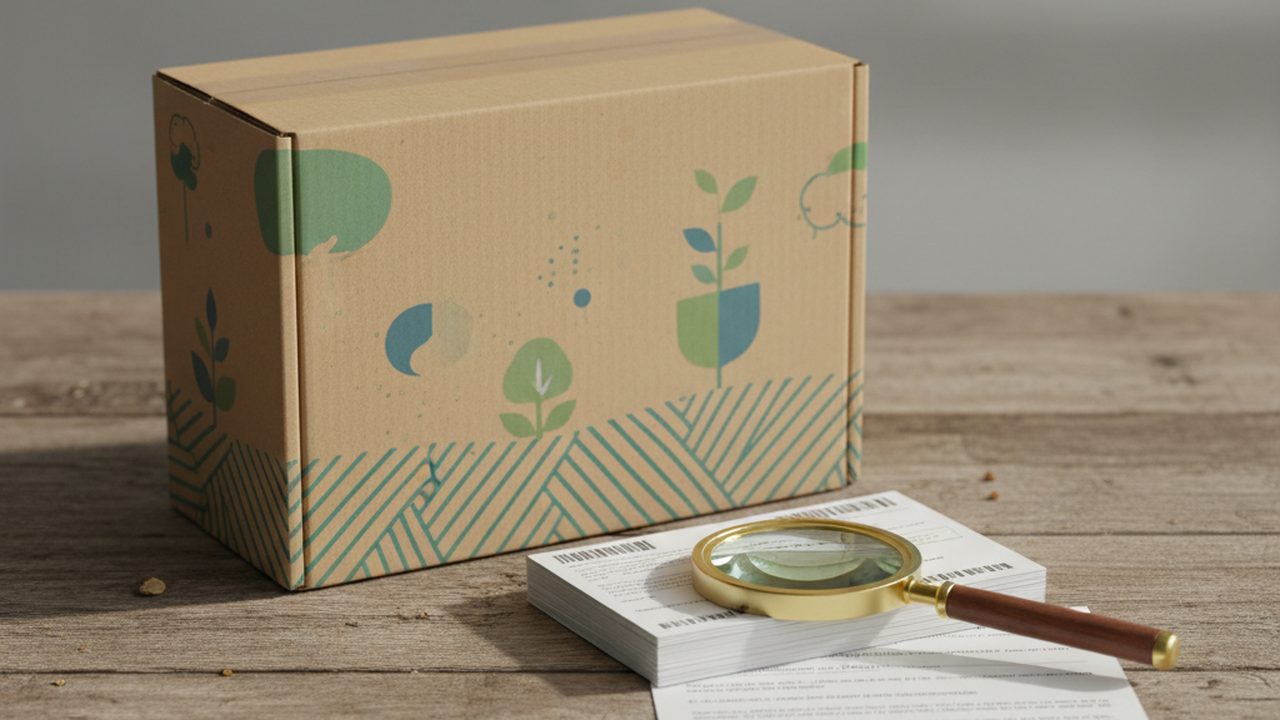
This approach is only valuable if it's traceable: FSC logo, recycled fibre content, material composition. These details become selling points in your tenders and on your product sheets. Printivo helps you select certified materials and recyclable finishes, and prints accordingly.