'Offset or digital?' is the first question for any printing project. The answer isn't about which technology is 'better' than the other, but about your quantity, deadline, and required finishes. Here's how to decide.
The Tipping Point is Quantity
Offset printing has a fixed setup cost (for plate preparation), which is amortised over the print run: the more you print, the lower the unit cost becomes. Digital printing has almost no setup cost, but a more stable unit cost. The result:
- Small volumes (prototypes, short runs, personalisation) → digital.
- Large volumes (from a few thousand units upwards) → offset, which is significantly more cost-effective per unit.
- Grey area: In between, we quote for both. The crossover point depends on the format and finishes.
Lead Time
Digital printing gets started quickly, making it ideal for urgent jobs, proofs, and express reorders. Offset requires preparation, but is very fast for large runs once it's set up. For a product launch where every day counts, digital can handle the initial run while the main volume is produced using offset.
Quality and Finishes
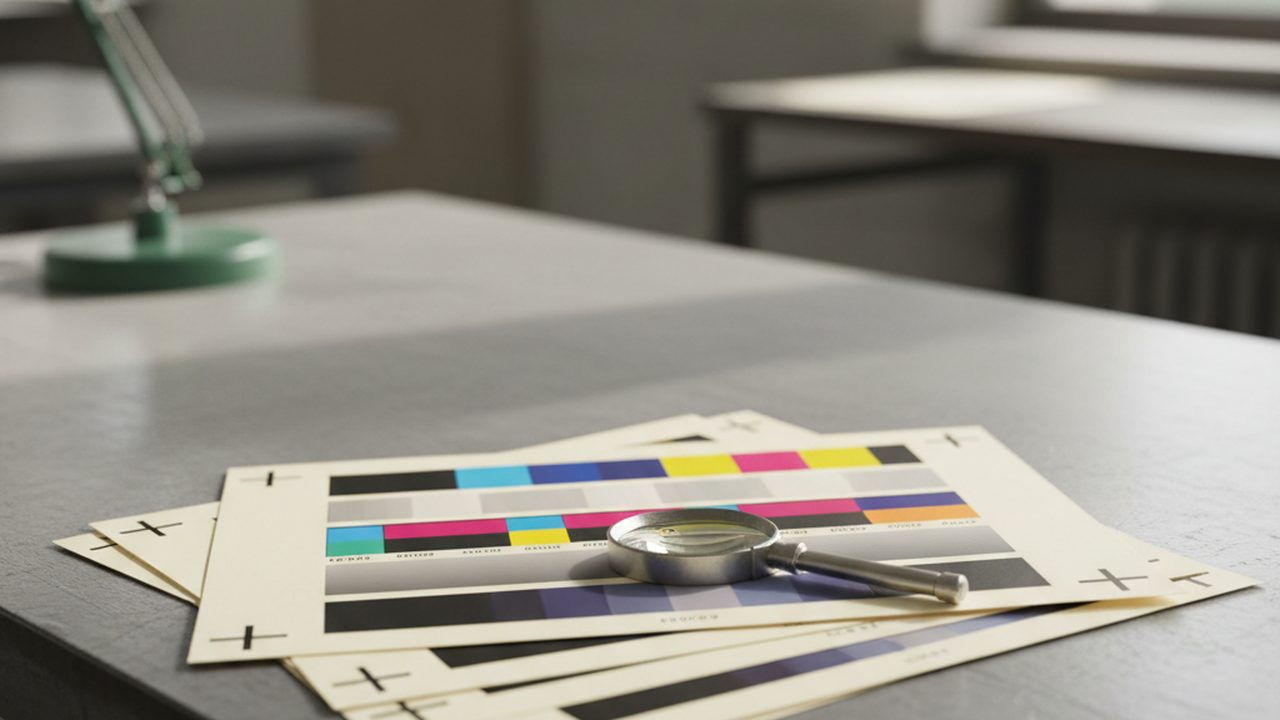
Offset excels at colour accuracy (Pantone spot colours, perfect solid blocks of colour) and on large formats. Digital has made huge strides and allows for variable data (serial numbers, QR codes, individual names), which is impossible with offset. For hot foil stamping, embossing, or spot UV varnish, the printing method itself matters little, as these are separate finishing steps.
In Practice
The right questions to ask are: how many units do you need, by when, with what finishes, and what are your Pantone requirements? At Printivo, we have both production lines and can offer impartial advice — often by providing a comparative quote for offset vs digital for your specific project.